
The needle question
One of the most common questions that comes up around GLP-1 medications is simple: do I have to inject?
For many women, the idea of a weekly injection is a barrier. It might be needle anxiety, lifestyle factors, or just personal preference. Whatever the reason, it's a fair question.
The answer is no, you don't have to inject. Oral options exist. But before we get into the details, we need to be clear about what oral GLP-1s are actually treating, because this matters for women with lipedema.
What oral GLP-1s are
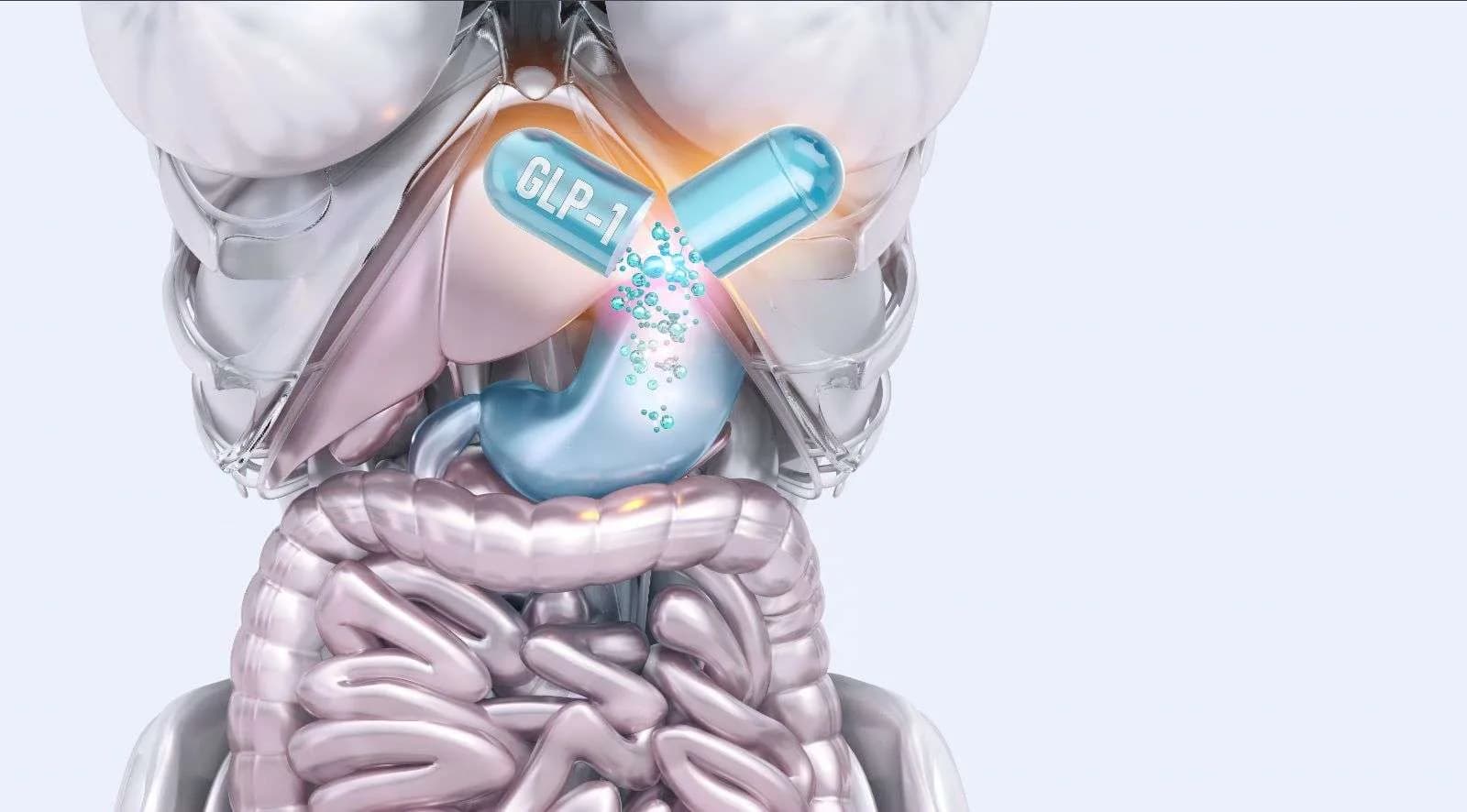
Oral semaglutide has been around for several years in the diabetes space under the brand name Rybelsus. What changed recently is that Wegovy (also semaglutide, but at different doses) was approved in tablet form for weight management.
So the medication itself isn't new. The approval for weight loss in an oral form is what's new.
Oral Wegovy comes in several doses: 1.5mg, 4mg, 9mg, and 25mg. As with the injectable version, your provider will typically start you at a lower dose and increase gradually based on how you respond and what you tolerate.
What oral GLP-1s are treating
Here's where we need to be direct: oral GLP-1s are approved for treating obesity and excess body weight. They are not specifically approved for treating lipedema and may or may not work in treating your lipedema tissue.
This is an important distinction. Lipedema tissue is different from regular fat tissue. It's more inflamed, more fibrotic, and it doesn't respond to typical weight loss strategies the way normal fat does. Research has shown over 4,000 genes are expressed differently between lipedema fat and regular fat.
GLP-1 medications, whether oral or injectable, work on appetite regulation, stomach emptying, and glucose metabolism. They help reduce excess body weight and regulate blood sugar levels. They also have an impact on inflammation.
So why would a woman with lipedema consider one?
Why reducing excess weight still matters for lipedema
Many women with lipedema also carry excess body weight from obesity alongside their lipedema. These are two separate things happening at once, but they influence each other.
Excess body weight drives inflammation. Inflammation fuels lipedema progression. This is why the 2021 Standards of Care emphasise treating excess body weight as part of lipedema management.
When you reduce excess body weight, you reduce systemic inflammation. When you reduce inflammation, you create a better environment for managing lipedema. You may see improvements in pain, heaviness, and mobility, even though the lipedema tissue itself hasn't been directly treated.
Think of it this way: you're not treating the lipedema with a GLP-1. You're treating the obesity and the inflammation that's making the lipedema worse.
Why taking it correctly matters
Oral semaglutide has a specific challenge: absorption. The stomach is acidic, the GI tract is selective about what it lets through, and the liver processes a significant portion of oral medications before they reach the rest of your body.
For oral GLP-1s to work properly, they need to be absorbed properly. And absorption depends heavily on how you take it.
The instructions are strict:
Take it once daily, first thing in the morning, on an empty stomach. Take it with a small amount of plain water (at least 4 ounces, but not a large volume). Do not eat or drink anything else for at least 30 minutes afterwards. Swallow the tablet whole. Do not crush, break, or split it.
These aren't suggestions. If you eat too soon, drink coffee instead of water, or take it at a random time of day, the medication may not absorb well enough to be effective. You might think the medication isn't working when actually the routine is the problem.
Who oral GLP-1s might suit
Oral GLP-1s can be a good option if you have excess body weight alongside your lipedema, you prefer not to inject, and you can reliably commit to the daily timing routine.
That last point matters. The injectable versions are typically once weekly, which some women find easier to remember. The oral version requires a daily routine with specific rules. If your mornings are chaotic or unpredictable, this might be harder to maintain consistently.
Some women do well with the structure. Others find the weekly injection actually fits their life better. There's no right answer, just what works for you.
What oral GLP-1s won't do
Oral GLP-1s won't magically make your lipedema tissue disappear or cure your lipedema.
They also won't replace conservative lipedema management. You still need to be addressing inflammation through nutrition, supporting your lymphatic system, wearing compression if appropriate, staying active, and managing stress and sleep. (Remember Dr. Jonie’s 7 pillars of lipedema treatment.)
If you take an oral GLP-1 and do nothing else, you might lose some weight from your non-lipedema areas while your lipedema may or may not change. That can be frustrating and discouraging.
Medications work best as one part of a comprehensive approach, not as a stand alone solution.
Not everyone can take GLP-1s
Whether oral or injectable, GLP-1 medications have contraindications. These include a history of pancreatitis, certain thyroid cancers, severe reflux, bowel motility issues, certain eye conditions, pregnancy, and some mental health conditions, particularly eating disorders.
There are also cautions around alcohol use and low blood pressure, the latter being common in women with lipedema.
This is why proper screening and medical oversight matter. GLP-1s can be helpful, but they need to be prescribed thoughtfully by someone who understands your full health picture.
The bigger picture
If you have excess body weight alongside your lipedema and you're curious about whether a GLP-1 might help, oral options do exist. For some women, avoiding injections makes the difference between trying a medication and not.
But remember what you're treating. You're addressing the obesity component, which can reduce inflammation, therefore creating a better environment for your lipedema. That's valuable. It's just not the same as treating lipedema directly.
Our Medications Course goes deeper into how GLP-1s fit into the broader landscape of lipedema treatment, including which medications are in the USA Standards of Care, what the limited research actually shows, and how to have informed conversations with your healthcare team.
Further Information
- - Medications and Lipedema Webinar Replay
- - Medications and Lipedema Course (available on the app)
- - GLP-1s and Lipedema: What the Research Actually Shows (article)