
Overview:
Managing Lipedema requires a comprehensive, multidisciplinary approach tailored to the individual’s symptoms and stage of the disease.
While there is currently no cure for Lipedema (not even surgery cures Lipedema), various treatments can help alleviate symptoms, slow the progression of the condition, and improve quality of life.
The most effective treatment plans combine conservative, non-surgical therapies with lifestyle modifications. In more advanced cases, surgery may be considered.
Conservative (Non-Surgical) Treatments
Conservative treatments focus on managing the symptoms of Lipedema, such as pain, swelling, and mobility issues, as well as “inch reduction”.
These approaches are essential for all stages of Lipedema, especially in early diagnosis.
Compression Therapy
Compression garments are one of the cornerstone treatments for Lipedema. These specialized garments help reduce pain, support the lymphatic system, and decrease swelling by encouraging fluid drainage.

Compression stockings, sleeves, or leggings are available in different pressure levels and can be worn daily to prevent the progression of symptoms.
According to studies, women with Lipedema who consistently wear medical-grade compression garments report less pain, heaviness, and tenderness in their legs.
Manual Lymphatic Drainage (MLD)
MLD is a type of specialized massage therapy that stimulates the lymphatic system and encourages the movement of lymph fluid, reducing swelling and improving circulation.
This technique is particularly beneficial for women with Lipedema, as it helps manage lymphatic congestion and prevent Lipo-Lymphedema in more advanced stages.
Exercise
Low-impact exercise plays an important role in managing Lipedema.
Activities such as walking, swimming, rebounding, and water aerobics are recommended because they improve circulation without placing undue stress on the joints.

Unlike high-impact exercises, which may worsen symptoms by increasing inflammation, these low-impact activities help stimulate lymphatic flow and reduce swelling.
Regular exercise also helps maintain overall mobility and prevents the secondary development of obesity, which can worsen Lipedema symptoms.
Diet and Nutrition
While diet alone cannot reduce lipedema fat, adopting an anti-inflammatory and lymphatic-friendly way of eating can help manage symptoms.
Dr. Jonie Girouard M.D. recommends a low-carb, anti-inflammatory diet that reduces processed carbohydrates, sugar, and inflammatory foods. Adjusting the timing of meals can also help reduce inflammation. This approach often supports lymphatic health, lowers fluid retention, decreases pain, and helps maintain a healthy weight.
Additionally, many women find that avoiding high-sodium processed foods and increasing their intake of fiber, fish and seafood, low-carb fruits, and vegetables helps manage swelling and inflammation.
There is also sometimes a need for supplements. Most dietary plans leave gaps in key nutrients, so we often recommend a high-quality foundational supplement to help close those gaps. Prebiotics and probiotics can also be helpful, as gut health plays an important role in inflammation and lymphatic balance.
Dr. Jonie has worked with the team at Lipé Nutrition to develop supportive supplement options for women with lipedema. You can view these at lipedemasupplements.com.
Surgical Treatments
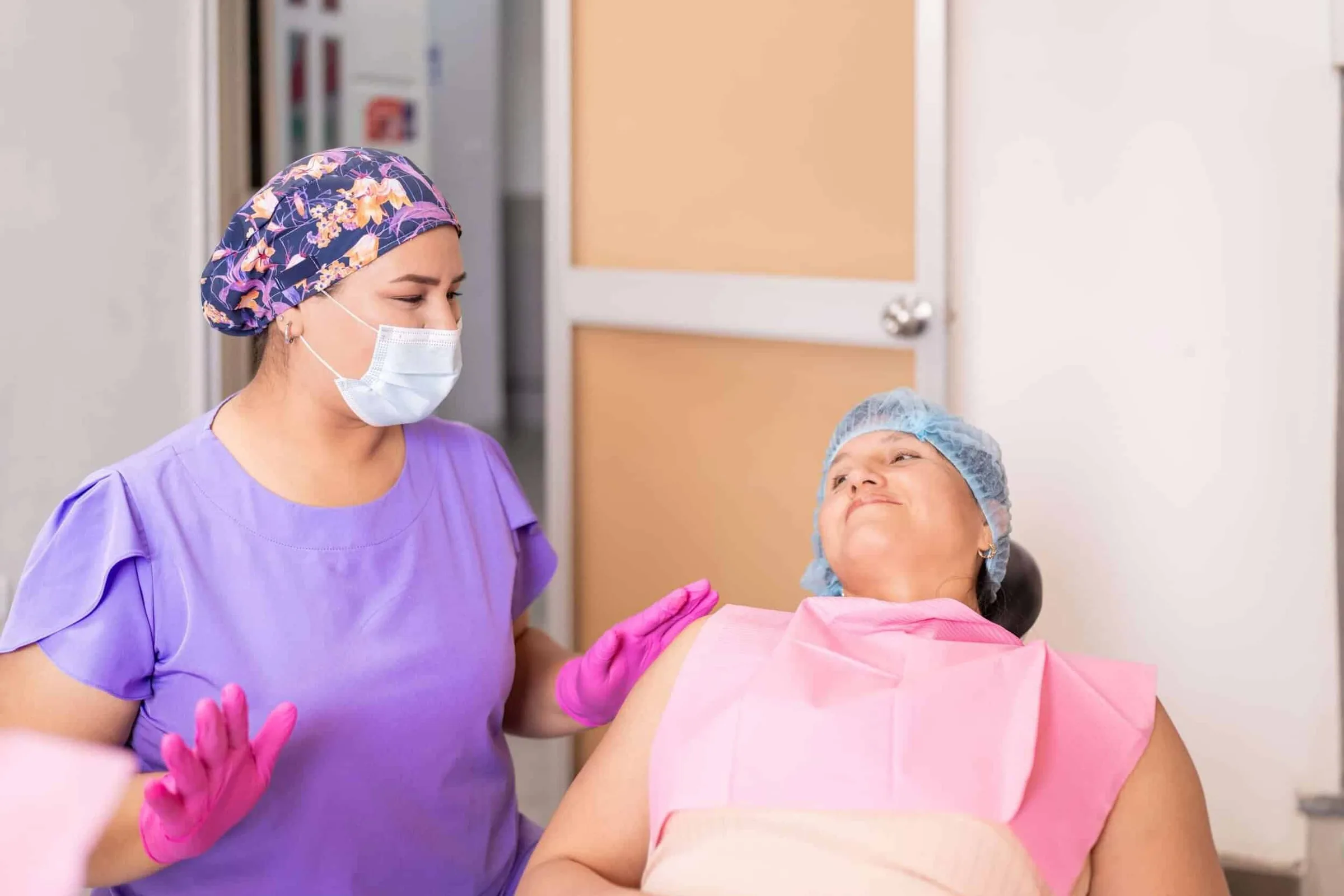
In more advanced cases of Lipedema, where conservative measures are not sufficient, surgery may be considered as an option. Liposuction, particularly specialized techniques like water-assisted or tumescent liposuction, is the most effective method for debulking or removing large amounts of Lipedema fat.
This procedure helps reduce the size of the affected areas, improve mobility, and alleviate pain. However, surgery does not cure Lipedema and should be combined with conservative therapies to maintain the results.
Liposuction for Lipedema
Water-assisted liposuction (WAL) with tumescent anesthesia is preferred, as these techniques are less likely to damage the lymphatic vessels.
According to research by Dr. Karen Herbst, patients who undergo liposuction often experience a significant reduction in pain, an improvement in mobility, and better overall quality of life.
Post-surgical care, including wearing compression garments, maintaining proper nutrition and continuing MLD, is essential to prevent fluid buildup and maintain the surgery's benefits.
When to Consider Surgery
Surgery is typically considered for patients in advanced stages of Lipedema who have not responded to conservative treatments or who experience significant pain, restricted mobility, or decreased quality of life.
It is important to consult with a specialist experienced in Lipedema surgery to evaluate if liposuction is an appropriate option.
Mental Health Support
Living with Lipedema can take a toll on mental health, as many women experience frustration, anxiety, and depression due to the chronic nature of the disease and the difficulty in finding effective treatment.
It is crucial for women with Lipedema to seek psychological support, whether through therapy, support groups, or counseling. For more information about the impact of Lipedema on mental health, click below.
Integrating Treatments for Long-Term Management
Managing Lipedema successfully requires a lifelong commitment to a combination of treatments.
Compression therapy, proper nutrition, appropriate exercises, and MLD can slow the progression of the disease, while medication and surgical options can offer more immediate relief for those with advanced Lipedema.
Regular follow-ups with a healthcare provider are also critical in adapting treatment plans as the condition evolves.
Ultimately, Lipedema is a condition that often changes over time and must be treated on an ongoing basis.