
Overview:
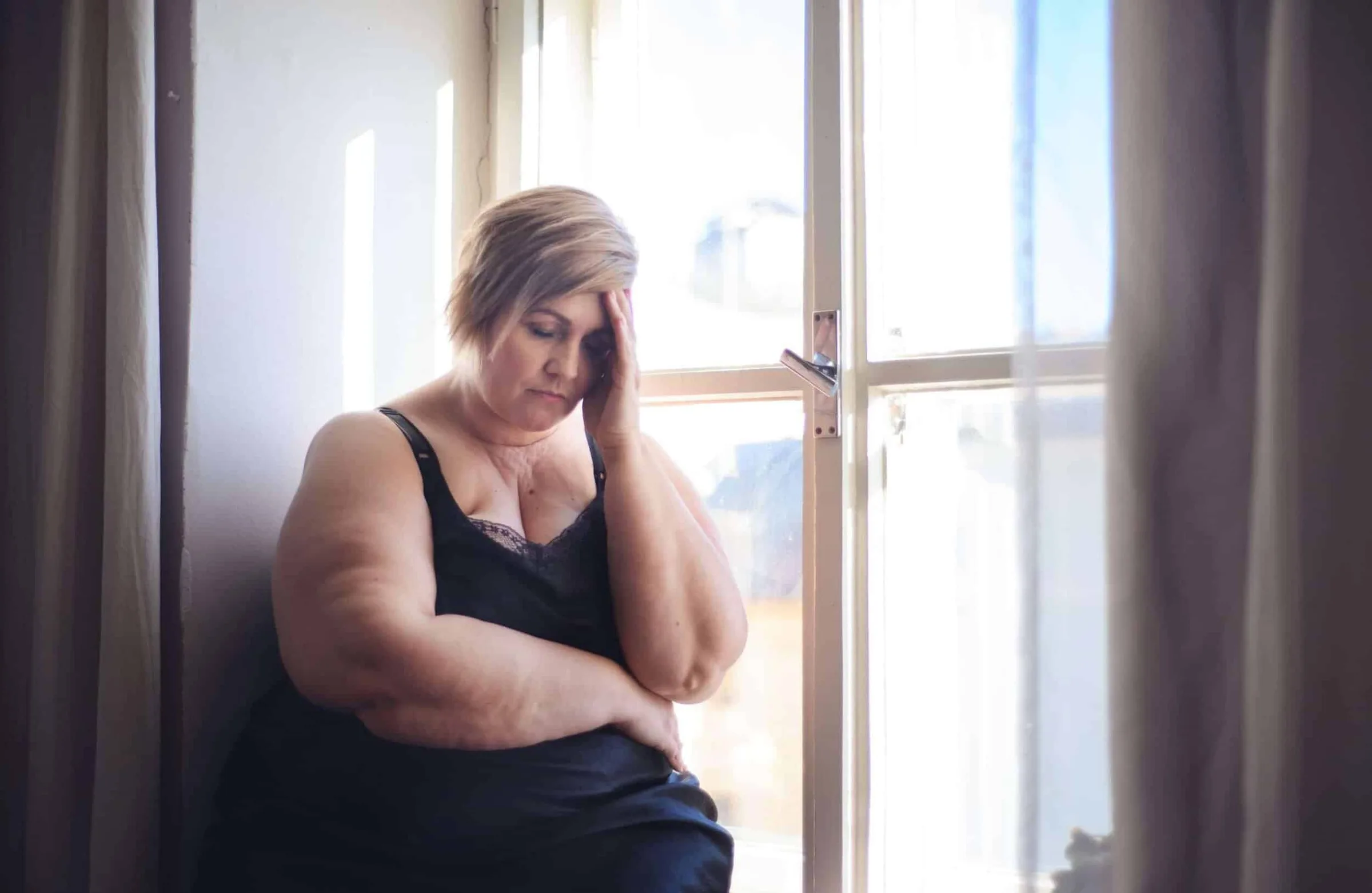
Living with Lipedema presents unique challenges that go beyond the physical symptoms. The emotional and psychological impact of the condition can be significant, as many women struggle with feelings of frustration, isolation, and anxiety.
Due to the frequent misdiagnosis and lack of awareness about Lipedema, patients often feel misunderstood by both medical professionals and society at large.
A comprehensive treatment plan for Lipedema should address not only the physical aspects but also the mental and emotional well-being of those affected.
Impact on Mental Health
Lipedema can take a heavy toll on mental health. Women with Lipedema often feel disheartened by their inability to lose fat in affected areas despite strict diets and regular exercise. When they finally seek assistance from a health care professional, they often are misunderstood and told they have a different condition (fibromyalgia, obesity, lymphedema being the most common) that lifestyle can “fix” or that “is untreatable”.
This can lead to feelings of helplessness, frustration, and even depression. Many patients experience a sense of loss as their mobility decreases over time, particularly in the more advanced stages of the condition.
The physical pain associated with Lipedema, combined with the societal pressures of body image, can lead to a heightened sense of anxiety and low self-esteem.
According to a study involving 511 women with Lipedema, it found that physical activity and pain synergistically influenced physical, mental, and overall health.1
Findings show that women with Lipedema are also more likely to suffer from body image disorders and are at greater risk of developing anxiety and depression
The Importance of Psychological Support
Addressing the psychological impact of Lipedema is just as important as managing the physical symptoms. A mental health care should be an integral part of a Lipedema treatment plan.
Seeking counselling or therapy can help patients process the emotional challenges they face, while also providing coping strategies to deal with the frustration of living with a chronic condition.

For many women, joining a support group can make a significant difference in how they cope with the condition. Connecting with others who share similar experiences can help reduce feelings of isolation and provide valuable emotional support. Whether through online communities or local support groups, these networks offer a safe space to share challenges, experiences, and advice.
Lipedema Clinic runs regular online and offline events. See when the next event is by clicking below.
Support Networks and Resources
here are several support networks available for women with Lipedema that can provide both emotional and practical guidance:
🔘 Online Communities: Platforms like Facebook groups dedicated to Lipedema offer a space where patients can share their experiences, ask questions, and support one another. Groups have thousands of members globally. You can join the Lipedema Clinic group here *COMING SOON
🔘 Local Support Groups: Many regions have local support groups where women can meet in person to discuss their challenges and learn from others living with Lipedema. These groups also often organize events, workshops, and educational sessions. Search for your local group here. *COMING SOON
🔘 Professional Counselling: Seeking professional counselling or therapy can help manage the emotional burden of living with a chronic condition like Lipedema. Therapists who specialize in chronic illness or body image issues may provide the most relevant support.
🔘 Lipedema-Specific Resources: Websites such as Lipedema Clinic, Lipedema Foundation and Cure Lipedema offer valuable information on treatment options, research developments, and patient stories. These resources are excellent tools for staying informed about the latest advancements in Lipedema care.
Self-Compassion and Acceptance
One of the most important elements of managing Lipedema is learning to practice self-compassion and acceptance.
Recognizing that Lipedema is a medical condition, not a result of poor lifestyle choices, can help reduce the stigma and shame often associated with the disorder.
Dr. Jonie encourages her patients to focus on self-care and to remember that managing Lipedema is about improving each woman’s quality of life and optimizing their health.
Incorporating mental health care into the treatment of Lipedema is crucial for long-term well-being.
Psychological support, whether through counselling, support groups, or online communities, provides essential resources for managing the emotional challenges of living with Lipedema.
Women who seek help for both their physical and mental health are better equipped to cope with the condition and improve their quality of life.
Source:
- Aitzetmüller-Klietz, M. L., Busch, L., Hamatschek, M., Paul, M., Schriek, C., Wiebringhaus, P., Aitzetmüller-Klietz, M., Kückelhaus, M., & Hirsch, T. (2023). Understanding the Vicious Circle of Pain, Physical Activity, and Mental Health in Lipedema Patients-A Response Surface Analysis. Journal of clinical medicine, 12(16), 5319. https://doi.org/10.3390/jcm12165319 ↩︎