
The short answer
Yes. Medications can help lipedema. But the picture is more complicated than a simple yes.
There's no pill that cures lipedema. There's no single medication, pill or injection, that works for everyone. And the research is still catching up to clinical experience. But for many women, medications have made a real difference to pain, inches, quality of life, and progression.
If you've been managing your lipedema conservatively and wondering whether medical treatment might be the next step, the answer is that options exist. Let's look at what we actually know.
No medications are approved for lipedema
This is the first thing to understand. As of now, zero medications are FDA-approved specifically for treating lipedema. None.
Part of this is because lipedema hasn't specifically been recognised as a distinct diagnosis code in the United States. Without that recognition, running the clinical trials needed for FDA approval is difficult. It's also an underfunded area of research compared to conditions affecting similar numbers of people.
What this means practically is that any medication used for lipedema is being used off-label. That's not unusual in medicine, and it doesn't mean the medications don't work. It means the evidence base is different. We're working from case studies, surveys, expert opinion, and clinical experience rather than large randomised controlled trials that are used in the FDA approval process.
What the Standards of Care include
The 2021 U.S. Standards of Care for lipedema do include medication recommendations. One category and one medication made it into those guidelines based on available evidence: sympathomimetic amines and metformin.
This matters because it means medication management isn't fringe or experimental. It's part of the recognised treatment approach, even if the evidence isn't as robust as we'd like.
Sympathomimetic amines
Sympathomimetic amines is the medical term for a group of medications that includes appetite suppressants used to treat obesity and stimulants used to treat ADHD. In the United States, the most common appetite suppressant used is phentermine. Availability varies by country, and some countries don't have access to this category at all.
The recommendation came from a 2019 survey conducted by Dr. Karen Herbst and colleagues. They surveyed women with lipedema who had been treated with sympathomimetic amines and found that 90% reported improved quality of life. The average weight loss was about 12 kilograms.
That was felt to be strong enough evidence to include in the USA Standards of Care. The direct quote from those guidelines: "People with lipedema treated with sympathomimetic amines had reduced weight, body size, edema, and pain and improved quality of life."
It's worth noting this came from a survey of 54 patients, not a randomised controlled trial. But the results were consistent enough that experts felt comfortable recommending it.
Not everyone can take sympathomimetic amines. Contraindications include unstable mental health conditions, bipolar disorder, history of seizures, hyperthyroidism, unstable cardiovascular disease, and certain eye conditions. This is why working with a knowledgeable provider matters.
Metformin
Metformin is an oral medication that is FDA approved in the treatment of diabetes, but it's also used off-label for conditions like polycystic ovarian syndrome and insulin resistance.
The USA Standards of Care state that metformin "should be considered for women with lipedema and metabolic complications." The reasoning is that metformin may inhibit fibrosis in fat tissue and could potentially help reverse fibrosis after injury as well as improve blood sugar levels.
Here's the honest caveat: those statements didn't come from studies done on women with lipedema. The research was on lung tissue and fat tissue in other contexts. It's a theoretical benefit being applied to lipedema, not direct evidence.
In clinical practice, metformin does seem to help some women with lipedema, particularly those who also have insulin resistance or metabolic issues. But it doesn't help everyone. Like everything else with lipedema, response varies from person to person.
GLP-1s
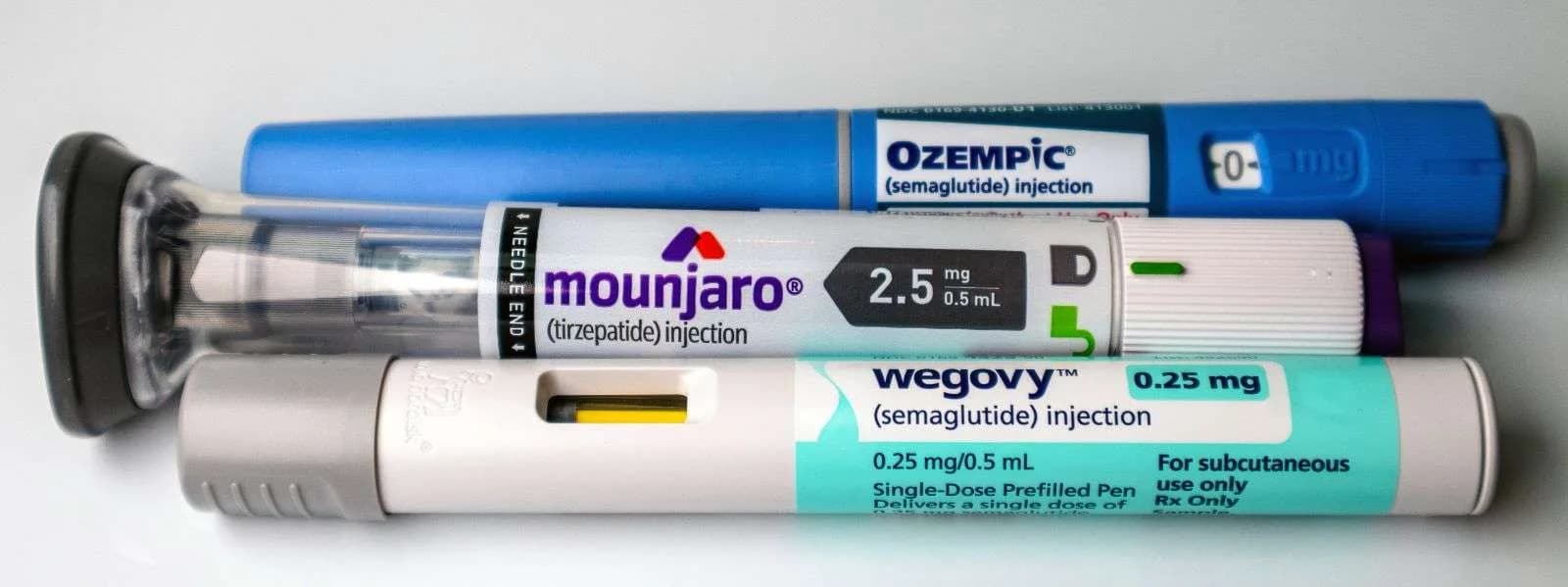
You've likely heard the buzz about GLP-1 receptor agonist medications like semaglutide and tirzepatide(GLP-1 + GIP RA). These are increasingly being used in lipedema treatment, and there's growing clinical experience suggesting they can help.
The published research is still very limited. As of now, there are only two case studies specifically looking at GLP-1s in lipedema. But clinicians who treat lipedema regularly are using them and seeing results, not just in weight but in pain, inches, and quality of life.
GLP-1s are a bigger topic than we can cover fully here. The key point is that they're another tool in the toolbox, with the same caveats: individual variation in response, and evidence is from off-label use and limited published studies.
Why there's no algorithm
If you're hoping for a clear path (start with this medication, then move to that one), it doesn't exist. Lipedema treatment isn't algorithmic. It's individualised.
Every woman with lipedema has different genetics, different epigenetic factors, different associated conditions, and different responses to medications. What works beautifully for one woman may do nothing for another. Some women tolerate certain medications well; others can't take them at all.
This is why medication management for lipedema requires working with someone who understands both the medications and the condition. It's often a process of trying, adjusting, and finding what works for your body.
When to ask for help
If you've been managing your lipedema conservatively and wondering when it's appropriate to explore medications, the answer is simple: anytime.
There's no requirement to suffer for a certain period first. There's no threshold you have to reach. If you're doing the conservative work and you're not where you want to be, or if you're frustrated and want to explore what else is possible, that's reason enough.
Medications are one of the seven pillars of lipedema treatment. They're not a replacement for conservative care, and they work best alongside lymphatic support, nutrition, movement, stress/sleep support, MLD/CDT, and supplements. But they're a legitimate option, and asking about them isn't giving up or taking a shortcut.
Our Medications Course goes deeper into which medications can help, which might be making things worse, and how to have informed conversations with your healthcare team.