
Clean eating. Careful portions. Swapping dessert for fruit.
You've done everything you thought you were supposed to do—and still, your body isn't responding. The legs still ache. Swelling lingers. Tissue feels firm and unyielding.
This isn't just extra weight. It's something else entirely.
Most women I work with have spent years trying. Years hoping that with enough willpower—or the right diet—they could finally feel better. But nothing sticks, and the emotional toll of that cycle is crushing.
Here's the truth: the problem isn't your effort. It's that most advice out there was never meant for women with lipedema. It was built for general weight loss, not for a connective tissue disorder that resists those very tools.
So what happens when your "healthy choices" aren't actually helping? Let's talk about one of the most surprising examples—because when you're a Lipé Learner, understanding these differences changes everything.
The "Healthy Food" Trap
When you're trying to do better for your body, where do you start? Most women begin with food - it's the obvious place to start and something you can begin today.
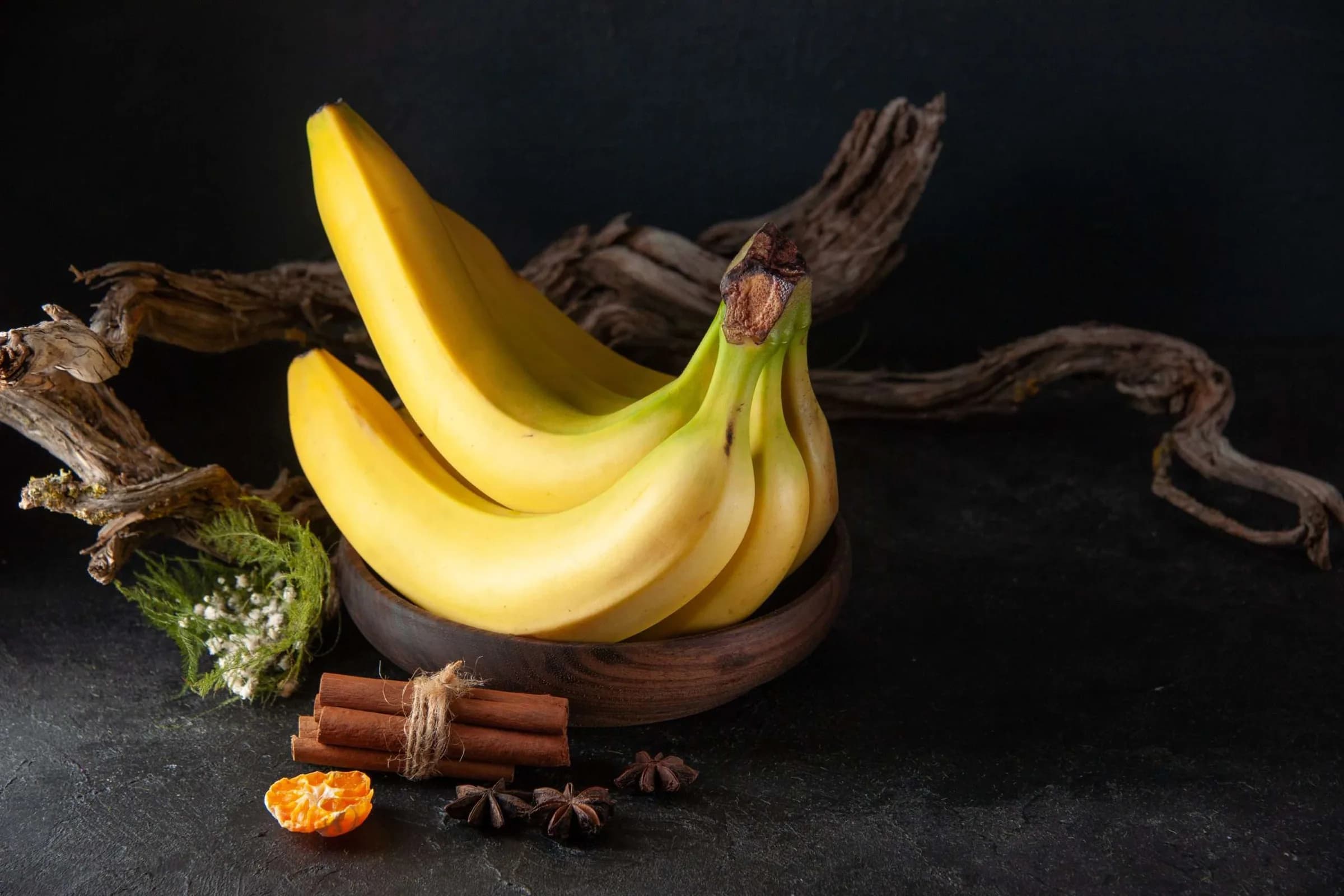
You clean up your pantry and head straight for the produce aisle. Bananas seem like a no-brainer—they're natural, full of potassium, don't need refrigeration, and feel like a virtuous swap for candy or pastries. You might even feel proud reaching for a banana instead of a cookie.
But here's what almost no one talks about: when you're living with lipedema, "healthy" doesn't always mean "helpful."
Many women I speak to are eating clean, avoiding sugar, doing everything they're "supposed" to—and yet their legs are still sore. The swelling won't go down. The weight refuses to shift. The inches only increase.
Have you been there? It's not a lack of effort, and it's not in your head. You've just been following rules that weren't built for your body. You're starting to understand that your body has different needs than the standard advice suggests.
So Why Are Bananas a Problem?
But wait—aren't bananas praised for being rich in potassium and fiber?
Yes, they are. But that doesn't cancel out their high sugar and starch content. In fact, the average size banana has 27g of carbohydrates. Bananas are dense in natural sugars and simple carbohydrates, and when blood sugar goes up, insulin follows.
Insulin helps move that sugar into your cells, but it also sends a signal to store fat and hold onto fluid. In a body already managing inflammation and lymphatic congestion, that extra insulin can quietly make things worse.
It's like trying to calm a fire while someone keeps tossing in more kindling. The flame might look smaller—but underneath, it's still smoldering.
Have you ever eaten something "healthy," only to feel puffier or more sluggish afterward? For women with lipedema, even natural foods like bananas could be the trigger—not because they're "bad," but because this body operates differently.
And this is what being a Lipé Learner is all about: understanding how to work with your body instead of against it.
It's Not About Demonizing Food
Let's be clear: bananas aren't evil. Neither are dates, grapes, or any other naturally sweet food. They're just not the best match for a body that's already inflamed and struggling to keep balance.
This isn't about punishment or perfection. It's about awareness—because when you have lipedema, even small inflammatory triggers can keep the fires burning. And that chronic inflammation? It drives progression.
The longer inflammation simmers, the more strain it places on your body. You deserve more than maintenance. You deserve relief. You deserve to feel change.
Understanding that "healthy" is personal can change everything. Sometimes, healing starts with letting go of what isn't serving you, so you can make choices that support your body and slow progression.
What to Do Instead
Let's be honest—sometimes, you just want something sweet. So what's a better choice?
Try low-glycemic fruits like berries or citrus. They have far less sugar, more fiber, and tend to be anti-inflammatory. Bonus? They're also rich in antioxidants, which support your lymphatic system.
If you do eat fruit, even if it is a little bit, pair it with protein or healthy fat—like a few almonds or some plain Greek yogurt. That helps slow the sugar spike and keeps your energy stable.
And perhaps most importantly: track how your body responds. Do your legs feel more swollen the day after certain foods? Do you notice stiffness, puffiness, or brain fog? These small signals are worth paying attention to.
It can feel overwhelming, yes—but you don't have to figure it all out alone. We offer a free Nutrition 101 Webinar, to walk you through the connection between food, inflammation, and your body's unique needs. And when you're ready to go deeper, our 30-Day Detox course provides a structured, compassionate path—with recipes, mindset tools, and gentle support each step of the way.
Conclusion
You're not broken. You're not failing. You just haven't been given the right tools—yet.
The truth is, your body isn't working against you. It's asking for help in the only way it knows how: through swelling, heaviness, and pain.
And the good news? As a Lipé Learner, you're already on the path to understanding what your body needs. You can help it—and yourself—find relief.