
If you’ve been struggling with Lipedema for years, or perhaps you've just scored high on our Lipedema Quiz, I want to say: You are not alone, and you are not imagining this.
More importantly: Lipedema is NOT your fault!
Lipedema is a real, progressive, inherited disorder that affects 1 in 9 women.
Despite being first described in medical literature in the 1940s, it remains one of the most misunderstood and underdiagnosed conditions today — often dismissed as simply “obesity” or “weight gain.”
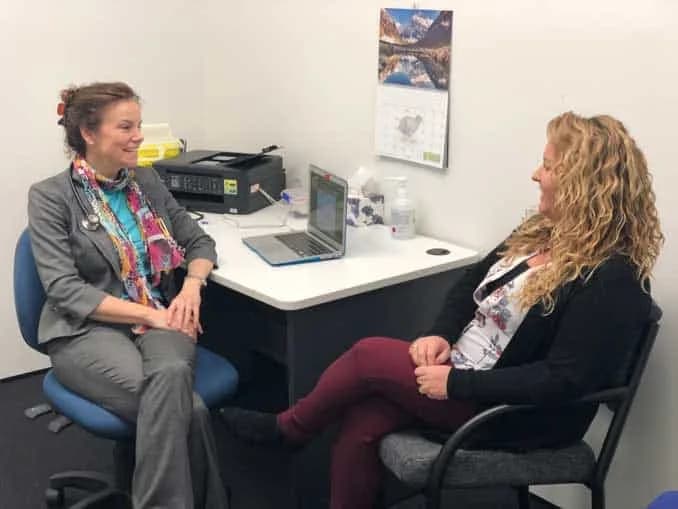
So how do you raise the topic of Lipedema with your primary care provider or doctor, especially when you’re worried they might not know about it?
Let me walk you through it.
Why Is It So Hard to Talk to Your Doctor About Lipedema?
For many women, bringing up Lipedema is not just a medical conversation — it's an emotional one.
Maybe you’ve been told for years to just “eat less and move more.” Maybe you’ve tried every diet under the sun, or even gone through bariatric surgery, only to be told you failed when your legs didn’t change.
The truth is, most doctors have never been trained to recognize or diagnose Lipedema. That doesn’t make them bad doctors — it just means they haven’t been shown what to look for.
• BMI bias – Most healthcare systems rely heavily on BMI, which doesn’t distinguish between obesity and Lipedema fat.
• Lack of time – With an average appointment lasting 7–10 minutes, complex conditions like Lipedema rarely get a fair chance.
• Fat bias – Unfortunately, there’s a long history of weight stigma in medicine, and Lipedema patients often feel its full impact.
But here’s the good news: you can help change that — for yourself and others.
Three Ways to Talk to Your Doctor About Lipedema
1. Tell Your Story Clearly and Honestly
You know your body better than anyone. Sharing your story is powerful. Consider these key phrases:
• “My legs started to change during puberty/pregnancy/menopause, even though nothing else in my lifestyle changed.”
• “I’ve always had a size difference between my top and bottom — I wear a size 10 top and a 16 bottom.”
• “I’ve tried dieting, intense exercise, even surgery — and my legs just won’t respond.”
• “This looks just like what my mum or grandmother had.”
2. Bring the Official Lipedema Doctor Letter
To support women having this very conversation, I’ve created an official Lipedema Doctor Letter, available for free at LipedemaClinic.org/letter.
This letter:
• Explains what Lipedema is — a connective tissue and fat disorder
• Highlights how it's not obesity and doesn’t respond to calorie restriction
• Describes the genetic and hormonal factors involved
• Encourages physical examination and further evaluation
“I came across this letter written by a doctor who specializes in Lipedema. It really resonates with my experience — would you be open to reading it?”
3. Give Your Doctor Permission to Learn
It’s okay if your doctor hasn’t heard of Lipedema. Many haven’t. What’s important is how they respond. You might say:
“I know this might be new information. I’m not here to challenge your expertise — I’m just asking for your help in exploring this further.”
Medicine is always evolving. This can be an opportunity for both of you to learn something meaningful — and possibly life-changing for you and other women struggling to be heard.
What Lipedema Is — and Why It’s Not Obesity
Lipedema is a connective tissue disorder that affects fat in a very specific way. It most commonly appears on the:
• Hips
• Thighs
• Buttocks
• Upper arms
• Occasionally lower abdomen
Unlike obesity, Lipedema:
• Is not caused by overeating or inactivity
• Does not respond to calorie restriction, exercise, or even bariatric surgery
• Involves pain, tenderness, and easy bruising
• Often results in cool skin and fibrotic nodules
• Spares the feet and hands (until very late stages)
Lipedema fat is structurally different. It’s firm, fibrotic, and resistant — I often describe it as more like a softball than a water balloon.
Why Early Diagnosis Matters
I can’t stress this enough: the earlier we identify Lipedema, the more options we have.
When caught early (in stages 1 or 2), we can prevent the condition from progressing into severe pain, immobility, or Lipo-Lymphedema. You can protect your joints, your circulation, and your quality of life.
Every woman deserves to live without shame, confusion, or unnecessary suffering. That starts with awareness — and it starts with a conversation.
You Are Not Alone
Speaking up about Lipedema can be intimidating.
You’re not being dramatic. You’re not “making excuses.” You are advocating for your health — and that’s something to be proud of.
So take the letter. Share your story. Invite your doctor into the process.
You might just change your life — and help your doctor see the world differently too.
Next Steps
✅ Take the 90-Second Lipedema Quiz if you haven't already.
✅ Download the Lipedema Letter (PDF).
✅ Book an Appointment with Your Doctor.
With hope and healing,
Dr. Jonie Girouard, M.D.
Lipedema Specialist | Founder, LipoedemaClinic.org
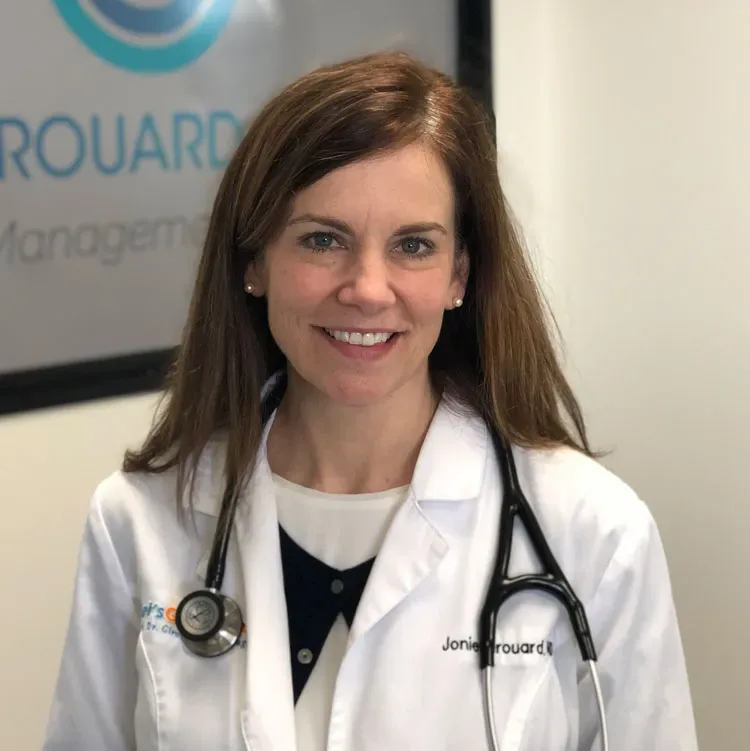
Dr. Jonie Girouard, M.D. is a global expert in Lipedema. She is the founder of the Lipedema Clinic, on a mission to educate and empower the millions of women still undiagnosed.