
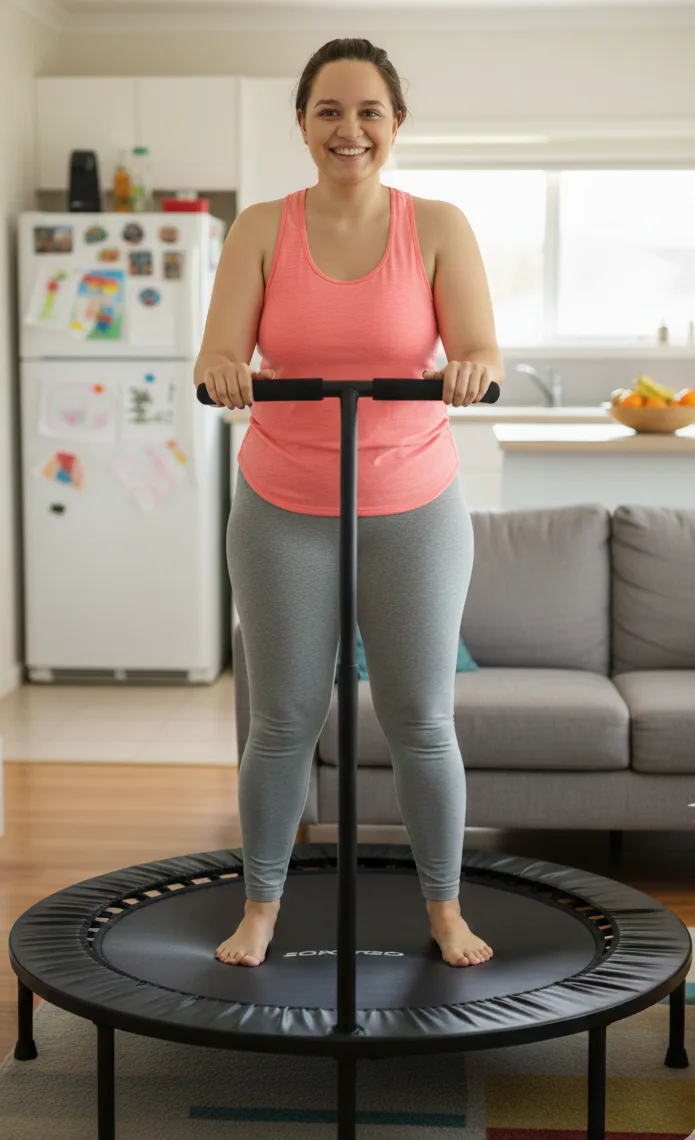
Movement is medicine for lipedema. Yet finding the kind of movement that feels safe, gentle, and effective can be challenging. Many exercises increase pain or swelling, leaving women discouraged and unsure of what helps rather than harms.
That's why rebounding, a low-impact exercise performed on a small trampoline, has become a valuable tool for many women managing lipedema. Rebounding supports lymphatic flow, boosts circulation, and strengthens muscles without overloading the joints.
It's not about burning calories or chasing fitness goals. It's about creating movement that helps your body feel lighter, calmer, and more supported.
Why Lymphatic Flow is Critical in Lipedema
The lymphatic system is your body’s fluid transport and detoxing network. It helps move proteins, immune cells, and waste products out of tissues. When the lymphatic system becomes sluggish, fluid can build up, causing swelling, heaviness, and tenderness.
In lipedema, this system is already under strain. The fat tissue is inflamed, the connective tissue is less elastic, and the lymphatic vessels often don't work as efficiently as they should. This combination slows the movement of lymphatic fluid, which can worsen symptoms and lead to fatigue, heaviness or pain.
Rebounding provides a simple way to assist the lymphatic system. The gentle up-and-down motion acts like a pump, opening and closing lymphatic valves and encouraging fluid to circulate more freely. This is sometimes referred to as “mechanical lymphatic drainage,” achieved through natural movement rather than manual therapy.
Changes in gravitational pressure produced during rebounding can increase lymphatic flow and help clear fluid from the tissues more efficiently.
How Rebounding Works
Unlike running or jumping on hard surfaces, rebounding uses a soft, elastic surface that absorbs impact. Each bounce creates a brief moment of weightlessness, followed by gentle compression as your body lands. This alternating pattern of pressure supports both blood and lymphatic flow throughout the body.
The vertical motion activates every lymphatic vessel simultaneously. Because lymphatic fluid moves only through muscle contraction and pressure changes, rebounding provides a full-body assist. The calves, thighs, and core muscles all engage in rhythmic, low-impact contractions that help pump lymphatic fluid upward toward the chest, where it will re-enter the bloodstream.
This type of movement also supports venous return, reducing the feeling of heaviness in the legs. Over time, it can improve tissue oxygenation and energy levels, both of which tend to be reduced in lipedema.
The Benefits for Women with Lipedema
Rebounding can offer both physical and emotional relief. The physical benefits come from its direct effect on circulation and tissue health, while the emotional benefits stem from how light, playful, and freeing the activity can feel.
- Improved lymphatic drainage: The rhythmic movement helps clear excess fluid, reducing swelling and tightness in the legs and arms.
- Better joint support: The trampoline surface absorbs shock, making it easier on knees, hips, and ankles than walking or jogging on hard floors.
- Enhanced balance and muscle tone: The constant micro-adjustments strengthen stabilizing muscles, especially in the legs and core, improving posture and coordination.
- Reduced fatigue: Improved circulation delivers more oxygen and nutrients to tissues, helping reduce the heaviness that can lead to early fatigue.
- Boosted mood: The gentle bounce stimulates the vestibular system (the balance center in the inner ear) and can trigger endorphin release, improving mood and energy.
For many women, these benefits combine to create something even more powerful: a renewed sense of connection with their body.
How to Get Started Safely
You don't need to jump high to gain the benefits of rebounding. In fact, many of the most effective movements involve very little visible bounce. The key is consistency and listening to your body.
- Choose the right trampoline: Select a rebounder with strong springs or bungee cords for smooth, low-impact motion. Avoid cheap or overly stiff models, which can create too much impact.
- Start small: Begin with two to three minutes of gentle bouncing or “health bouncing,” where your feet stay on the mat while you let the surface do the work. Gradually build up to five or ten minutes a few times a week. If this is all too much then just put your feet on them to start or sit on it. Every little step is a good step.
- Focus on posture: Keep your knees slightly bent, shoulders relaxed, and core engaged. Hold a stability bar or sturdy chair if you need extra support while learning.
- Stay hydrated: Movement encourages the lymphatic system to release waste products into circulation. Drink water before and after rebounding to help your body flush them out.
- Monitor symptoms: If swelling or pain increases, reduce intensity or frequency. You will find that wearing compression garments during or after rebounding will help maintain results.
Over time, your balance, strength, and endurance will naturally improve, allowing you to move with greater confidence and ease.
When to Avoid or Modify Rebounding
Rebounding is gentle, but it's not for everyone. If you have significant joint instability, uncontrolled pain, some orthopedic conditions, vertigo, or advanced venous disease, speak with your healthcare provider before starting.
For those who are newly diagnosed or in the early stages of lipedema, beginning with seated bouncing or vibration platforms may be more comfortable. You can transition to standing rebounding as your comfort improves.
Remember, more intense movement is not always better. The goal is circulation and comfort, not intensity.
Combining Rebounding with Other Lipedema Therapies
Rebounding works best as part of a broader care routine. It complements compression, manual lymphatic drainage, anti-inflammatory nutrition, and hydration.
For example, a short session before MLD can prepare the body by loosening tissues and activating blood flow.
Pairing rebounding with mindfulness techniques, such as deep breathing or gentle stretching, can also enhance relaxation and body awareness, both of which help manage chronic pain. (Check out our article on “Sleep” for other thoughts around relaxation)
The Emotional Side of Movement
Exercise can carry a lot of emotional weight for women with lipedema. Years of frustration, comparison, and misunderstanding can make movement feel like punishment instead of care. Rebounding offers a way to rebuild that relationship.
The gentle, rhythmic motion feels playful and freeing. Listening to your favorite music can add to the enjoyment. It reminds you that movement can be joyful and healing, not just a task, test or torture. Each bounce is a quiet message of trust: your body can move safely, and you can feel light again.
One of the most healing parts of lipedema care is rediscovering what movement feels like when it comes from kindness instead of guilt. Rebounding embodies that shift.
A Gentle, Consistent Practice
You don't need long or intense sessions to benefit. Two to five minutes a day is enough to support lymphatic circulation and increase energy. The secret is regularity.
Try setting up your rebounder in a place you see daily, such as near your desk, in the living room, or by a window. Be sure to empty your bladder before your first bounce if needed. Step on for a few gentle bounces whenever you feel stiff or tired. It's not about doing more; it's about doing something often.
If you notice your legs feel lighter, your energy steadier, or your sleep deeper after rebounding, that's your body’s confirmation that you are on the right track.
Final Thoughts
Rebounding is a simple, accessible, and surprisingly enjoyable way to support your lymphatic system. It fits beautifully into the philosophy of lipedema management: gentle, consistent, and compassionate care that honors your body’s needs.
Every bounce, no matter how small, helps your body move toward better balance. You don't have to jump high or push hard. You just have to keep showing up, lightly, rhythmically, and with trust.
Your lymphatic system thrives on movement. Let it be movement that feels like freedom.