
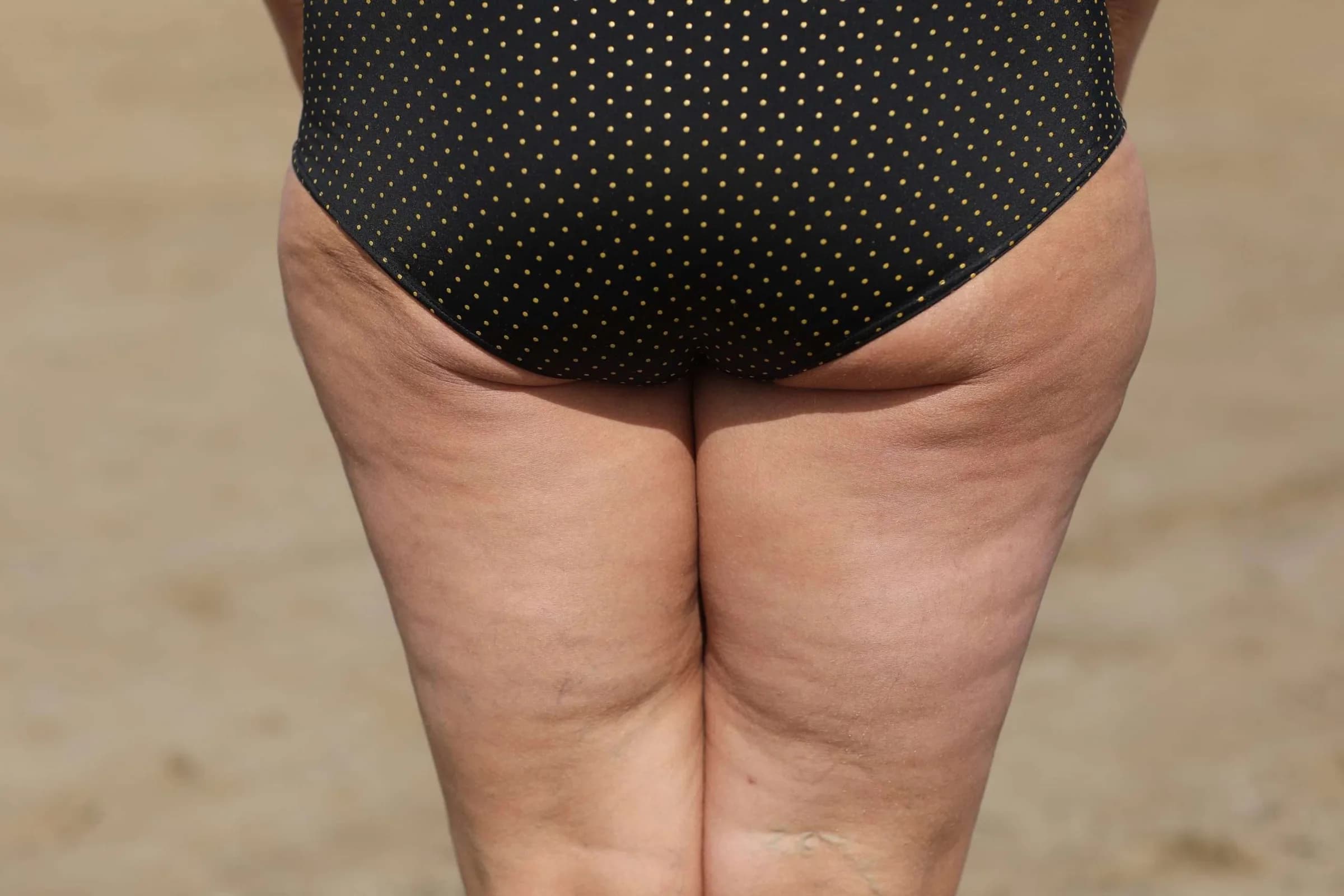
Here's what you need to know: cellulite is cosmetic. Lipedema is medical. And that one distinction? It changes everything.
You've probably looked at your thighs in the mirror and wondered why they look the way they do. Maybe you've tried every cream, every workout, every diet trick you could find. And maybe nothing's worked the way you hoped it would reduce that dimpling.
Understanding the difference is important. Cellulite might change how your skin looks, but it doesn't change how your body functions. It's frustrating, sure, but it's harmless. Lipedema is completely different. This isn't just about appearance. Pain, swelling, tenderness, and fat tissue that doesn't respond like normal fat should.
In those earliest stages, lipedema can look almost exactly like cellulite. Both show up as dimples, lumps, and uneven texture. Both are more common in women and get influenced by hormones. Both often appear on your thighs, hips, and buttocks first.
But that's where the similarities end. Cellulite is just fat pressing against connective tissue underneath your skin. Lipedema is a connective tissue disorder that affects how fat grows and how fluid drains from those tissues. One is cosmetic and the other is progressive. Missing this difference could mean losing your chance to catch lipedema before it gets worse.
What You're Actually Looking At
When you see cellulite, you're looking at that quilted texture on your thighs, buttocks, or hips. The surface looks uneven or puckered, especially when you pinch the skin, and while it might be annoying, it's generally harmless.
Lipedema can look similar on the surface, but when you actually touch it, the fat feels different. Lipedema tissue is firmer and heavier. You might feel tiny beads or lumps under your skin that weren't there before. Your legs might feel cooler when you touch it compared to other areas. You might even feel a little twinge to notable pain with pressure or touching.
Have you ever noticed that? That your legs just feel different from the rest of you?
The One Thing Cellulite Never Does
Here's the clearest difference: cellulite doesn't hurt. Lipedema often does.
In those early stages, women with lipedema describe their legs as sore, tender, or aching. Especially when they're pressed on, after standing all day, or even when someone touches them lightly. Many notice bruises showing up without any clear reason why. That's not cellulite. That's your fat tissue trying to tell you something isn't right.
How Things Change Over Time
Cellulite tends to stay pretty stable or shift slowly with changes in weight, hormones, or age. It might come and go, but it doesn't follow any clear pattern of getting worse.
Lipedema is different, especially during major hormonal shifts like puberty, pregnancy, or menopause. What starts as some dimpling and heaviness can progress into harder nodules, then fibrosis, and eventually large masses of fat that actually interfere with how you move if action isn’t taken.
If what you thought was cellulite seems to be spreading, getting harder, or getting worse in clear stages, you're probably looking at lipedema instead.
When It's Time to Get Answers
If you have what looks like cellulite plus any of these signs, it's worth considering that this might be lipedema:
Your legs or arms feel painful or tender when touched. You bruise easily without knowing why. There's heaviness or swelling that doesn't go away with rest or elevation. Your lower body looks disproportionately larger than your upper body. Other women in your family have similar body shapes or symptoms.
And here's why catching this early matters so much. When lipedema is identified in its early stages, there are treatment strategies that can slow or even stop the progression before it becomes something that limits what you can do every day.
Your Next Step
Not sure if what you're dealing with is cellulite or lipedema? The 90-second quiz can help you see if your signs line up with lipedema patterns. Because getting answers is always the first step toward understanding what your body actually needs.