
The question everyone's asking
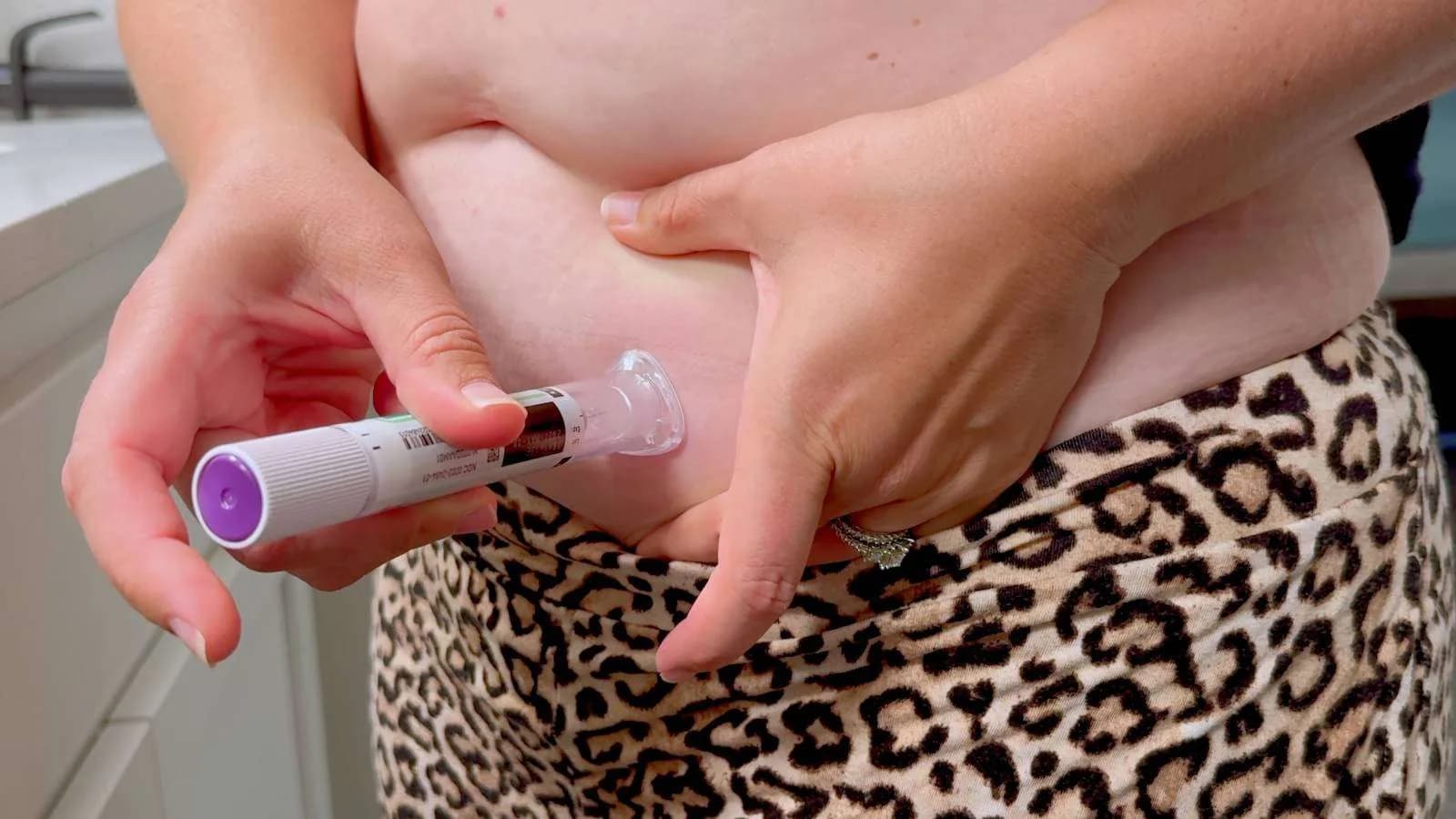
If you've been anywhere near lipedema social media lately, you've seen the buzz about GLP-1 medications. Ozempic, Wegovy, Mounjaro, Zepbound. The questions come up constantly: Do they work for lipedema? Should I try one? Will it help my legs?
These are fair questions. GLP-1s have changed the conversation around weight management, and many women with lipedema are wondering whether they might finally have found something that works.
The honest answer is: the research is limited, but what we do have is encouraging. Let's look at what we actually know.
GLP-1s are not new
Despite all the recent attention, GLP-1 medications have been around for over 20 years. The first one, Exenatide, was approved back in 2005 as a twice-daily injectable for diabetes. Since then, we've seen liraglutide, dulaglutide, semaglutide, and most recently tirzepatide (which is actually a dual GLP-1/GIP receptor agonist, meaning it works on two pathways instead of one).
The medications have changed a little but what has really changed is the awareness, availability, and the growing conversation about whether these medications might help conditions beyond diabetes and general obesity.
For lipedema specifically, clinicians have been using GLP-1s for years, based on clinical experience. But published research? That's only just beginning to catch up.
How GLP-1s work
GLP-1 stands for glucagon-like peptide-1. These medications mimic a hormone your gut naturally releases after eating, but in a longer-acting form. Here's what they do:
They slow stomach emptying, which means you feel full faster and stay satisfied longer. The portion that used to feel like a snack now feels like enough.
They reduce food noise. This is different from appetite suppression. If you've ever felt like food is constantly on your mind, or like you can eat and eat without ever feeling satisfied, this is what GLP-1s can help quiet.
They support glucose and insulin regulation, helping to balance blood sugar and address insulin resistance.
They reduce inflammation. This effect is still being studied, but we're seeing anti-inflammatory benefits from both GLP-1 and GIP receptor agonists.
For women with lipedema, that last point matters. Lipedema is fueled by inflammation. Anything that helps reduce systemic inflammation may help the condition, not just the scale.
What the research actually shows
Here's where we need to be honest: as of now, there are only two published studies looking at GLP-1s specifically in women with lipedema. Two. That's it and they weren’t even randomized controlled trials or have more than a handful of patients in them.
Does that mean clinicians aren't using them? No. GLP-1s are being used regularly in lipedema treatment, and many women are seeing results. But if we're looking strictly at published evidence, this is what exists.
The first study came out of Italy and looked at exenatide (the long-acting once-weekly form) in five women with lipedema. All five also had insulin resistance. They were treated for three to six months.
The results: all five patients had improvement in lipedema symptoms, particularly pain. Four of the five had weight loss. And all of them had reduction in inches, measured by ultrasound showing actual physical changes in the lipedema tissue thickness.
The second study came from Brazil and looked at tirzepatide in a single patient. She was a 34-year-old woman with stage 3, type 2 lipedema and a BMI of 30. She had a strong family history, hadn't responded to conservative management, and hadn't responded to semaglutide either.
She started tirzepatide at 5mg weekly and was escalated to 15mg over seven months. She lost about 17 kilograms (roughly 37 pounds) and was then tapered off to maintain results with lifestyle alone.
Five months later, she noticed worsening pain and skin texture, even though her weight remained stable. She was retreated with low-dose (often called “microdosing”) tirzepatide and recovered.
What does this tell us? GLP-1s can help with lipedema, and not just from a weight perspective. Pain improved. Inches reduced. Tissue changed. But it also shows that ongoing management matters. Stopping treatment doesn't always mean the benefits continue.
Why some women respond and others don't
Not everyone responds to GLP-1 therapy the same way. In our clinical experience, women who respond well to GLP-1s often have some degree of insulin resistance. If you've tried a GLP-1 and didn't notice much change, it may be that insulin resistance isn't your primary driver, or something else is going on that needs to be addressed first.
This is part of why lipedema treatment isn't one-size-fits-all. What works beautifully for one woman may not be the right fit for another. The medications are tools, not magic. They work best when matched to the individual and usually in combination with other treatments.
It's not just about the scale
One of the most important shifts in thinking about GLP-1s and lipedema is moving past the scale as the only measure of success.
In the Italian study, one patient didn't lose weight but still had improvement in pain and reduction in inches. In the Brazilian case, when the patient was retreated at a very low dose (below the typical starting dose), she recovered her pain relief and skin texture without any weight change at all.
This matters. For women with lipedema, success might look like pants fitting better, less heaviness going up stairs, reduced pain, or improved quality of life. The scale is one data point, but it's not the whole picture.
If you're working with a provider, ask about body composition measurements, not just weight. Understanding what's happening underneath (muscle versus fat versus fluid) gives a much clearer picture of progress.
The muscle loss question
One concern that comes up with GLP-1 therapy is muscle loss. This is real and worth paying attention to.
When you lose weight through any method, you typically lose some muscle along with fat. With diet and exercise alone, the usual expectation is around 10-15% of weight loss coming from muscle. With GLP-1s, some studies are citing 25% to 60% of weight loss coming from muscle rather than fat.
That's significant. Losing muscle reduces your metabolic rate and makes weight maintenance harder in the long term. For women with lipedema, protecting muscle matters even more because strength supports mobility, lymphatic function, and quality of life.
This doesn't mean GLP-1s are bad. It means muscle preservation needs to be part of the plan. Adequate protein intake, resistance training or strength work, and regular monitoring of body composition can all help protect lean mass during treatment.
Can everyone take a GLP-1?
The short answer is no. GLP-1s have contraindications that need to be screened for before starting.
These include a history of pancreatitis or pancreatic cancer, certain types of thyroid cancer or family history of MEN syndrome, severe reflux or Barrett's esophagus, bowel motility issues, pregnancy or breastfeeding, certain eye conditions and unstable mental health conditions, particularly eating disorders.
There are also cautions around alcohol use (which increases pancreatitis risk) and conditions like low blood pressure, which many women with lipedema already experience.
This is why working with a knowledgeable provider matters. GLP-1s can be helpful, but they need to be prescribed thoughtfully with proper screening and monitoring.
What this means for you
GLP-1 medications are one option in the toolbox for treating lipedema, but they're not the only option, and they're not right for everyone.
The research is limited but encouraging. Clinicians are seeing real results, not just in weight, but in pain, inches, and quality of life. At the same time, these medications require proper medical oversight, attention to muscle preservation, monitoring for side effects and realistic expectations about what they can and can't do.
If you're curious about whether GLP-1s might be appropriate for you, the best next step is to work with a provider who understands both the medications and lipedema. Our Medications Course goes deeper into what the research shows, how GLP-1s compare to other medication options, and how to have informed conversations with your healthcare team.
Further Information
- - Medications and Lipedema Webinar
- - Medications and Lipedema Course (available on the app)