
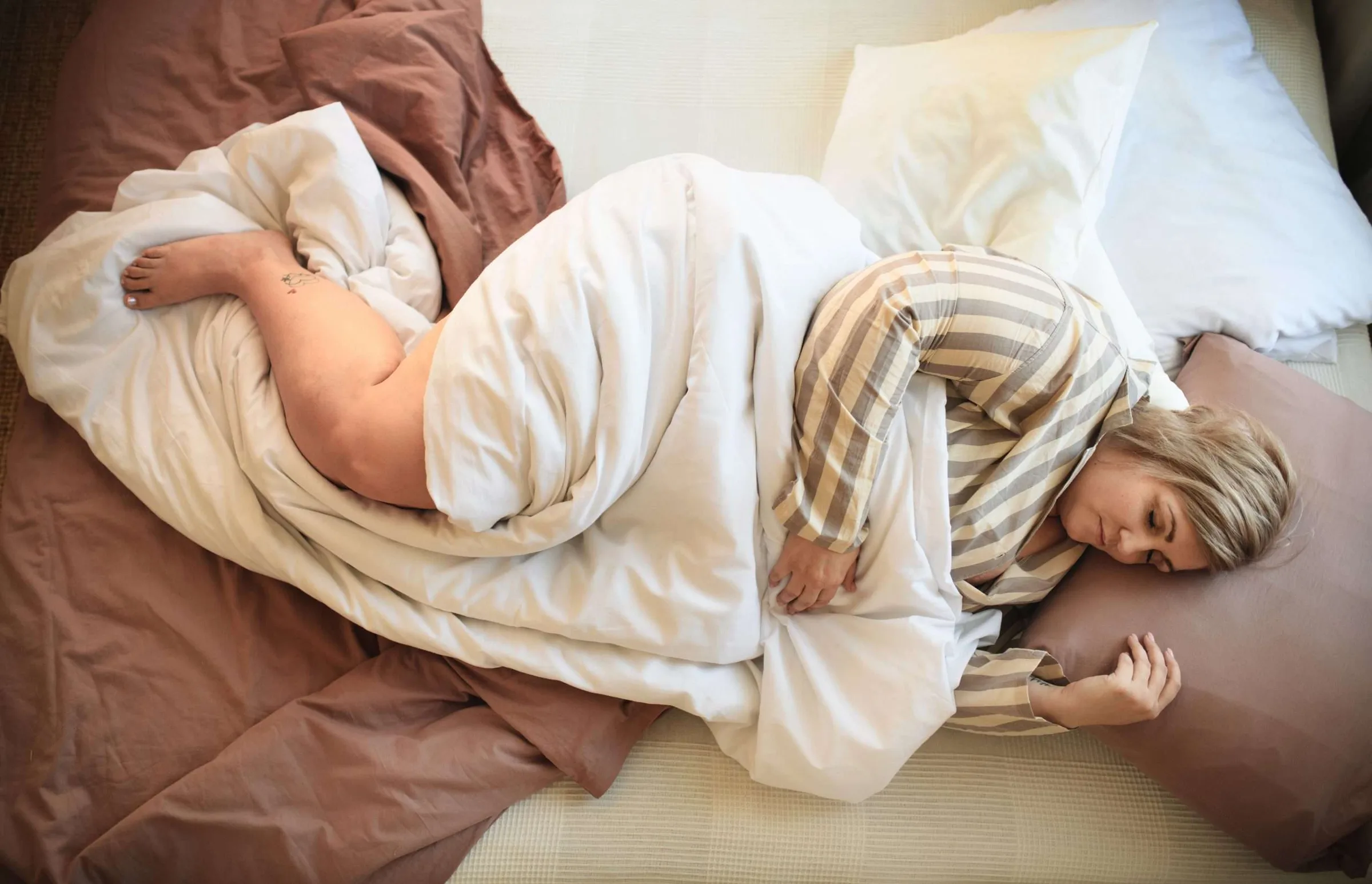
Sleep is often one of the most overlooked parts of healing, and one of the hardest to get right. Pain, swelling, and inflammation can make it difficult to fall asleep, and staying asleep can often feel impossible. You might know the feeling of tossing and turning for hours, and then waking up feeling sore and tired, or you might just find that certain positions increase pressure and pain.
Sleep problems aren't just inconvenient. They can make everything worse. Poor sleep is known to increase inflammation, raise stress hormones, and slow down lymphatic flow. It can amplify pain, cause fluid retention, and leave you mentally and emotionally drained before the day even begins.
If you've ever thought, "I'm exhausted, but my body won't let me rest," you’re not alone. The truth is, improving sleep with lipedema isn't about forcing your body to relax. It's about creating the right conditions for comfort, circulation, and calm.
Understanding the Link Between Lipedema and Poor Sleep
Sleep difficulties in lipedema go beyond simple discomfort. The inflammation and swelling that accompany lipedema can make it physically harder for your body to rest. As the fluid accumulates in your lower body, pressure can build up, particularly around the legs, hips and even your lower back. During the night, some of that fluid starts to mobilize and often interrupts sleep with bathroom breaks. Lying flat can also sometimes make that pressure worse and leave you fidgeting for hours trying to find a position that feels bearable.
Beyond the physical symptoms, there is also a deeper connection between lipedema and the body's stress response. One review found that more than half of their patients with chronic pain experience sleep disorders, and this in turn created a bidirectional relationship where chronic pain disrupted sleep quality, and then increased pain sensitivity and then reduced the body's ability to cope.1 We have heard many women describe this cycle where pain leads to poor sleep, and poor sleep leads to increased pain. Breaking this loop starts with understanding that rest is part of your treatment, not a luxury you have to earn.
Hormonal shifts, especially around menopause or menstruation, can also worsen sleep disruption. These fluctuations can increase both inflammation and body temperature, making it even harder to settle at night. But recognizing these patterns will help you respond with patience instead of frustration.
Creating a Sleep Environment That Supports Your Body
Your sleep environment can make a dramatic difference. Start with your bed itself. What you're lying on every night can either support your healing or work against it. Lipedema women may find that a softer, pressure-relieving mattresses may reduce discomfort around the hips and thighs. A memory-foam or hybrid mattress that evenly distributes weight can also prevent sore spots and nighttime swelling.
Elevation also matters. Maybe try using a wedge pillow or raising the foot of your bed slightly can help promote lymphatic drainage while you sleep (grandma’s old duvet that lives in the top of the cupboard, put it under the foot of the mattress). This small change can relieve some pressure, decrease morning swelling, and reduce that "heavy leg" feeling that greets you when you wake up.
What about keeping your bedroom cool and dark. Lipedema tissue often retains heat, which can make nights uncomfortable. A fan, breathable bedding, and natural fabrics like bamboo or cotton are all things that can keep your body temperature stable.
Preparing Your Body for Rest
What happens in the hours before bed can often matter more than what happens once your head hits the pillow. Lipedema pain and inflammation don't just "turn off" at bedtime. You have to help your body transition from survival mode to rest mode.
Pay attention to what you eat and drink in the evening. Large meals, alcohol, or certain foods can trigger inflammation and fluid retention, which will make sleep more restless. Instead, aim for lighter, balanced meals a few hours before bed and herbal teas with calming properties like chamomile.
Limit screen time before bed. I know we all know this but the blue light from phones, tablets, and TVs interfere with melatonin production, the hormone that regulates your sleep cycle. Try replacing late-night scrolling with reading, journaling, or a few quiet moments of gratitude. This small mindset shift reduces stress and sets the stage for rest.
Managing Pain Before It Manages You
Pain is one of the most significant barriers to sleep for women with lipedema. When your legs ache, throb, or feel tight, it definitely makes it hard to relax enough to drift off. Addressing that pain before bedtime can make all the difference.
Cold therapy, using cool compresses or a brief soak in cool water, can calm inflamed tissue down. Gentle elevation in the evening, perhaps while watching TV or reading, can help fluid drain from the lower body and reduce swelling and reduce those middle of the night bathroom breaks.
Don't underestimate the power of simple breathing techniques. Research shows that slow, deep breathing activates the parasympathetic nervous system (big word for the body's built-in relaxation response), which can lower your heart rate and reduce pain perception.2 Over time, this practice can prepare your body for rest. Deep breathing also promotes lymphatic flow.
And if pain is consistently keeping you from sleeping, talk with your healthcare provider. Sometimes adjustments in compression, medications, or therapies like manual lymphatic drainage can make nights far more comfortable.
The Emotional Weight of Sleepless Nights
Lack of sleep doesn't just make you tired. It chips away at your emotional resilience. After a few restless nights, everything feels heavier: your legs, your mood, even your hope. A lot of you might feel anxious before bed, anticipating the pain or the restlessness that might follow. This anxiety feeds the very tension that makes it harder to sleep.
It is important to acknowledge this emotional cycle without judgment. You are not weak for dreading bedtime; you are reacting to a pattern of discomfort. Gentle mindfulness practices can help interrupt this loop. Instead of focusing on how much sleep you're losing, shift your attention to creating comfort in the present moment with some of the ideas you have just read about.
If sleeplessness becomes chronic, don't hesitate to seek emotional support. Therapists who understand chronic illnesses can help you manage anxiety, rebuild your sense of control, and develop strategies to rest even when sleep feels elusive. Emotional rest matters just as much as physical rest.
Reclaiming Rest as a Form of Healing
Sleep isn't optional for anyone but for women with lipedema it needs to be a cornerstone of healing. Rest allows your lymphatic system to recover, your inflammation to settle, your energy to replenish and your body to heal. Quality sleep supports every other aspect of your care: nutrition, movement, and emotional well-being.
It's time to stop seeing rest as something you have to "earn." You don't need to justify your exhaustion. You live with a condition that demands more from your body each day, and giving yourself permission to rest is one of the most powerful ways to support your recovery.
Sleep won't be perfect every night, but small, consistent changes add up. A cooler room, an elevated pillow, a calmer mind. All of these are acts of healing. Each step toward better rest is a message to your body: You are safe now. You can let go.
🌙 Small Steps Toward Better Sleep
Keep this short list close for the nights that feel longest:
Elevate your legs in the evening to ease heaviness.
Keep your room cool, dark, and quiet.
Swap screens for a calming bedtime ritual.
Use gentle compression or light wraps if they help reduce pain.
Practice slow, deep breathing before sleep.
If you can't sleep, don't fight it. Rest your body, close your eyes, and breathe. Even rest is healing.
You deserve deep, restorative rest. Your body has carried you far. It's time to give it the peace it needs to repair and renew.
References
- Zhou K, West HM, Zhang J, Xu L, Li W. Sleep disorders in chronic pain and its neurochemical mechanisms: a narrative review. Front Psychiatry. 2023;14:1157790 ↩︎
- Jerath R, Edry JW, Barnes VA, Jerath V. Physiology of long pranayamic breathing: neural respiratory elements may provide a mechanism that explains how slow deep breathing shifts the autonomic nervous system. Med Hypotheses. 2006;67(3):566-571 ↩︎