
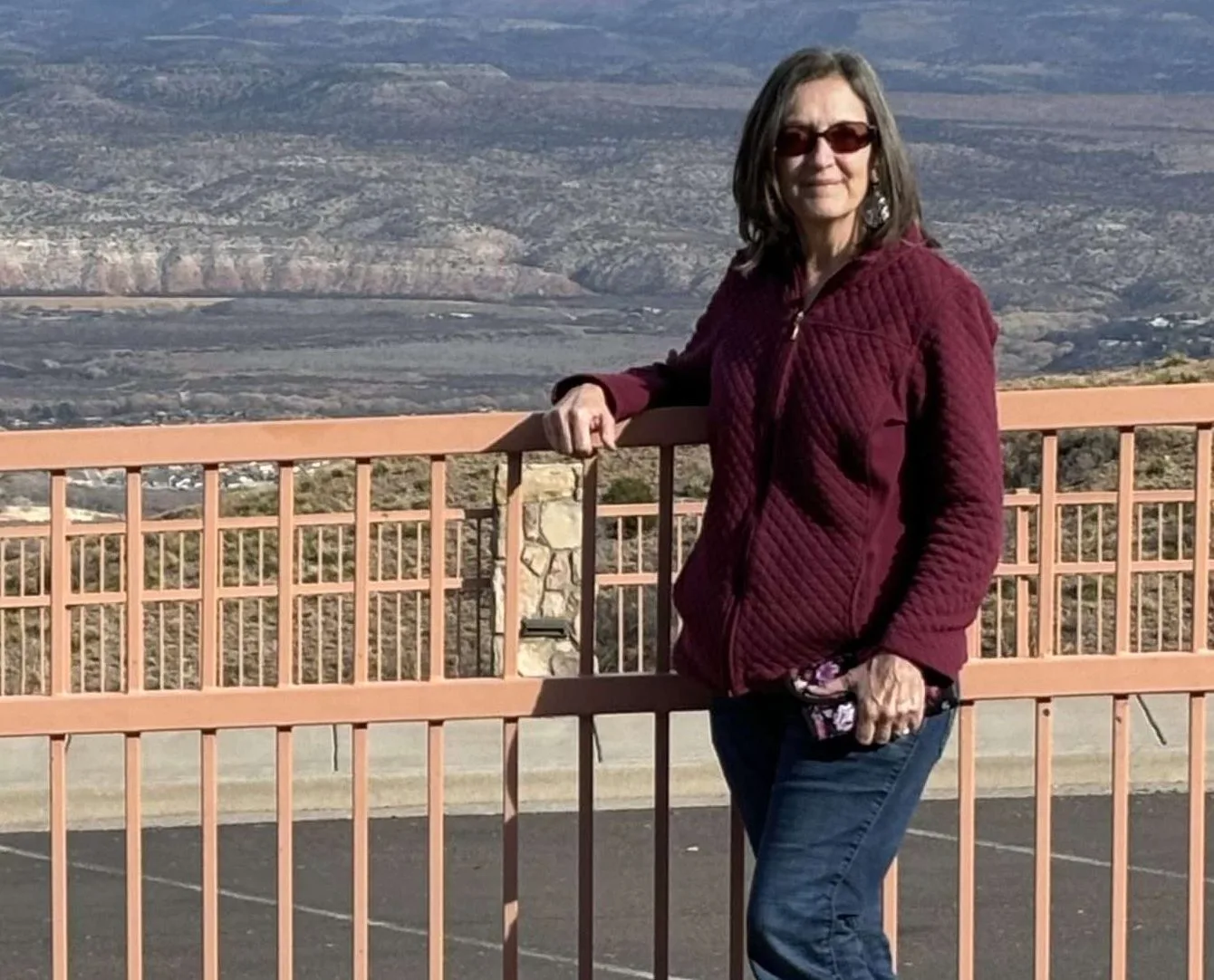
When she was 15, Lisa was thin everywhere except for her legs. At 16, hard, painful lumps began to appear in her thighs. For the next 45 years, every doctor she asked wasn't concerned. So despite the pain, she tried not to be either.
"I would ask at regular yearly checkups," Lisa recalled. "They weren't worried, so therefore I tried not to be worried. But the lumps kept growing, and the pain kept getting worse."
Now in her early 60's, Lisa finally has a name for what she's been experiencing since her teens: Lipedema. A genetic disorder affecting up to 11% of women that causes painful fat accumulation, typically in the legs.
Her discovery came unexpectedly through her work at a medical weight loss clinic, where the clinic's doctor had begun researching the condition. When Lisa saw the diagrams and read about the symptoms, she felt something she hadn't expected: excitement.
"Even if there's not a quick fix, knowing that I was not crazy and I don't need to have 50 knots removed from my legs... that has helped my mental health a lot."
Lisa's journey mirrors that of countless women with lipedema who have spent decades without a diagnosis. Despite being thin elsewhere, her legs grew disproportionately during puberty. The hard nodules that developed caused increasing pain over the years, especially after her hysterectomy in her late 30s triggering early menopause.
"I started noticing changes again when I went through that," she explained. "The pain increased, my ankles started swelling with what I now know is that characteristic 'cuffing' look, and my legs felt incredibly heavy."
The heaviness was particularly puzzling. "It was like having a pack with weights hooked onto your legs," Lisa described. "I was researching all kinds of symptoms trying to figure out what could be wrong with me."
In her 50s, she even asked a surgeon if he could remove the lumps in her legs. His response was typical of that of medical confusion around lipedema: "He said he could take them all out, but it would leave me with a lot of scars."
The Power of Finally Knowing
Since her diagnosis a year ago, Lisa has transformed her approach to managing the condition. Understanding that inflammation is key to lipedema symptoms, she's revolutionised her daily routine.
"I've really changed my diet, especially going low-carb and cutting out gluten," she told us. "I use a vibration plate every night, do rebounding, and am walking regularly."
The results have been remarkable. While the nodules remain, her pain has virtually disappeared.
"A year later, I feel so much better," Lisa reported. "The lumps may still be there, but I hardly have any pain anymore. I am freer to do a lot more exercise. I walk now without that strange heaviness holding me back."
Perhaps most importantly, Lisa's diagnosis has helped her recognize the condition in others, including her own daughter.
"She lives far away, but I've begun that conversation," Lisa says. "She's having the same symptoms I had at her age, so I am going to show her the diagrams when I visit her over Christmas."
This genetic connection is crucial. Lipedema often runs in families, and yet without awareness, generations of women suffer in silence.
"There is Hope!"
For women struggling with similar symptoms, Lisa's message is clear: keep searching for answers.
"If you go to your provider and they don't understand what you're talking about, don't give up," she urges. "There's so much information out there now. Each bit of information you find during this journey is going to help you."
Lisa told us that she is particularly passionate about helping teenagers and young women who might be experiencing what she did.
"Don't be so embarrassed, especially as a teenager when you're trying to figure out why you're thin everywhere else and suddenly your legs are getting big," she reflects. "Keep asking questions, keep doing your research."
Today, Lisa approaches her condition with pragmatism and optimism. She's lost weight in areas where normal fat responds to diet and exercise, maintained a comfortable weight, and most importantly, found peace with her body.
"I'm not worried about what my legs look like as much," she says. "Even though I have the cuffing at my ankles, I understand now that's part of lipedema and I just feel better overall."
Her transformation extends beyond the physical. The mental relief of validation, of knowing she wasn't imagining her symptoms, has been profound.
"Having that information just helps your mental state so much," Lisa emphasizes. "You feel validated."
For so many women wondering if their symptoms might be lipedema, we hope that Lisa's story can offer you both recognition and hope. After 45 years of questions, she's found not just answers, but a path forward.
"Don't give up," she says simply. "This discovery has changed everything."
If you think this could be you then why not take our short quiz and we can begin you on the journey of discovering more about lipedema and whether this could be you. Quiz Link Here
If you are further down the line and wanting information about how to get a diagnosis then why not watch our webinar.
Or if you need a letter to take to your primary care provider about lipedema then click here